Super Bowl LX wasn't just the biggest game of the year -- it was the biggest showcase yet for AI in mainstream advertising. By one count, nearly 23% of the ads that aired during the broadcast used artificial intelligence in some form, whether in the creative process, the visual effects, or as the central subject matter of the spot itself. The results ranged from genuinely impressive to catastrophically misjudged. We watched every single one so you don't have to, and here's how they stack up.
The Bottom of the Barrel: Svedka's Robot Nightmare
Let's start with the ad everyone is still talking about, and not in a good way. Svedka's Super Bowl spot featured AI-generated humanoid robots dancing to a classic funk track in what was clearly intended to be a fun, campy celebration of the brand's longstanding robot mascot. The execution was anything but fun. The robots moved with that unmistakable AI-generated uncanny valley quality -- limbs bending at wrong angles, faces flickering between expressions, fingers multiplying and disappearing between frames.
The internet's reaction was immediate and brutal. Social media lit up with viewers calling the ad disturbing, creepy, and an example of everything wrong with corporate AI adoption. For a brand that reportedly spent over seven million dollars on the ad slot alone, the return on investment was measured entirely in negative sentiment. The Svedka spot has already become shorthand for how not to use AI in advertising -- a cautionary tale that will be studied in marketing courses for years to come.
The Middle Pack: AI as a Feature, Not the Star
Several brands took a more subtle approach, using AI as a production tool rather than making it the centerpiece of their creative. A handful of automotive and tech ads used AI-generated backgrounds, de-aging effects, or synthetic voice work in ways that most viewers probably didn't even notice. These ads were neither particularly impressive nor particularly offensive -- they simply used AI the way previous generations of ads used green screens or CGI, as one tool among many in the production pipeline.
A few food and beverage brands experimented with AI-generated visual effects for fantasy sequences and dream-like transitions. The results were mixed. When AI was used sparingly to enhance a moment or create a brief surreal visual, it worked reasonably well. When it was used to generate entire scenes, the quality dropped noticeably, pulling viewers out of the story. The lesson from the middle pack is clear: AI works best in advertising when it's invisible, enhancing human creativity rather than replacing it.
The Standout: Anthropic's Brand Debut
The most talked-about AI ad for positive reasons was Anthropic's first major brand campaign. Rather than showcasing flashy AI-generated visuals, Anthropic took a restrained approach that focused on the human side of AI interaction. The spot told a simple, relatable story about creativity and collaboration, and it resonated with viewers precisely because it didn't try to wow them with technology. It felt like an ad made by people who actually understand the current public mood around AI -- cautiously optimistic but wary of hype.
Whether you agree with the company's messaging or not, the Anthropic ad understood something that the Svedka team clearly did not: in 2026, audiences are sophisticated about AI. They know what it looks like, they know its limitations, and they react badly when brands try to pretend those limitations don't exist. The most effective AI advertising right now is honest about what AI is and isn't, rather than trying to dazzle people with technology that isn't quite ready for the close-up.
Billion-Dollar Budgets vs. Zero-Budget Creators
Here's the irony that nobody in the advertising industry wants to talk about. These Super Bowl AI ads collectively cost hundreds of millions of dollars in production and media buying. The Svedka spot alone probably had a production budget in the seven figures before the ad slot cost. And yet the most successful AI-generated entertainment of 2026 -- content that has actually moved culture and built genuine fanbases -- was made on a budget of essentially zero dollars.
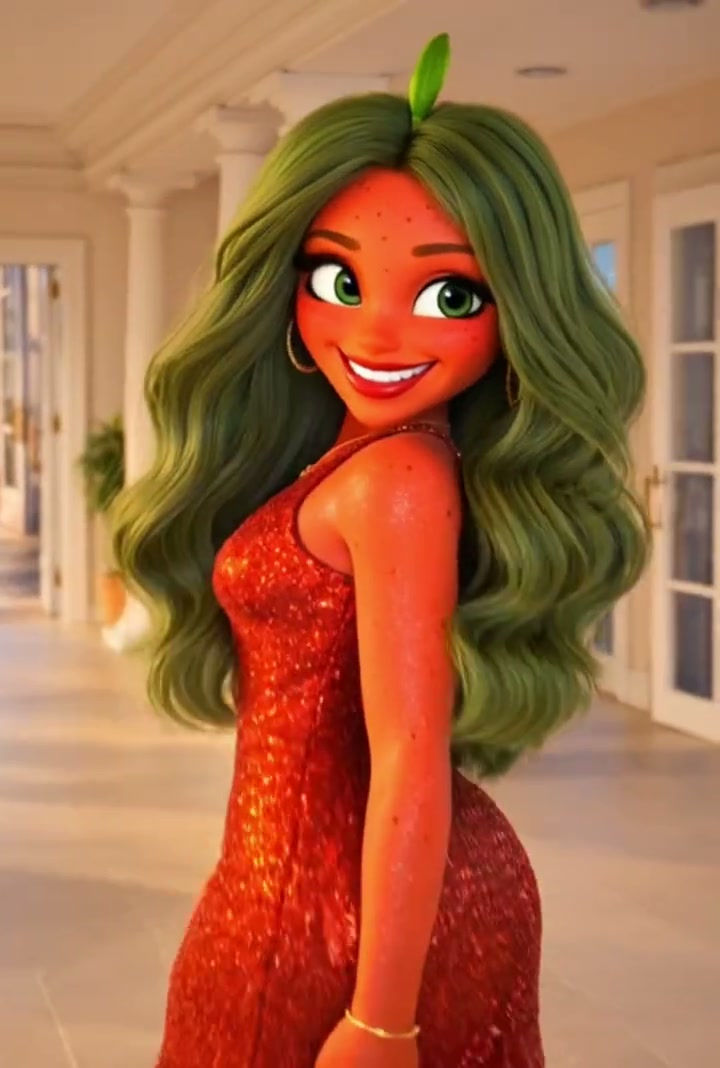
Fruit Love Island has accumulated over 300 million views across its first season with no production budget, no ad spend, and no corporate backing. The show was made by a single creator using freely available or low-cost AI tools, and it has generated more genuine cultural conversation than any of the Super Bowl AI ads combined. The audience doesn't care about budget. They care about whether the content is entertaining, whether the characters are compelling, and whether the story makes them want to come back for the next episode.
This is the uncomfortable truth that the Super Bowl ads revealed: money cannot buy authenticity in the AI content era. The grassroots creators who understand their audience and use AI as a creative tool are running circles around corporate teams with hundred-person staffs and multi-million dollar budgets. The gap between corporate AI content and community-driven AI entertainment has never been wider, and Super Bowl LX made that gap impossible to ignore. For a broader look at how AI content is evolving, see our analysis of AI slop versus intentional AI entertainment.
What This Means for AI Content Going Forward
The Super Bowl AI ad landscape tells us something important about where AI content is headed. The corporate world is still figuring out how to use these tools effectively, and it's making expensive mistakes in public. Meanwhile, independent creators and small teams have been iterating rapidly, learning from their audiences in real time, and producing content that actually resonates. The best AI content in 2026 is not coming from the biggest budgets -- it's coming from the most creative minds.
If you're curious about what the best (and worst) AI-generated content looks like right now beyond the Super Bowl stage, check out our curated roundup of the best AI slop of March 2026. And if the Super Bowl ads inspired you to try making AI content yourself, our complete tutorial walks you through the entire process from concept to published episode.